Everything Apple announced today: new Mac mini and Mac Studio with major AI upgrades
 Tom Sykes
Posted On 25/08/2026
Tom Sykes
Posted On 25/08/2026 
Apple has announced a major refresh to its desktop Mac lineup, introducing a new Mac mini with M6 and M5 Pro chips alongside an updated Mac Studio powered by M5 Max and the all-new M5 Ultra.
The announcements mark one of Apple’s biggest desktop Mac updates in recent years, with both machines receiving major performance upgrades focused heavily on on-device AI, faster graphics, improved connectivity, and demanding creative and professional workflows.
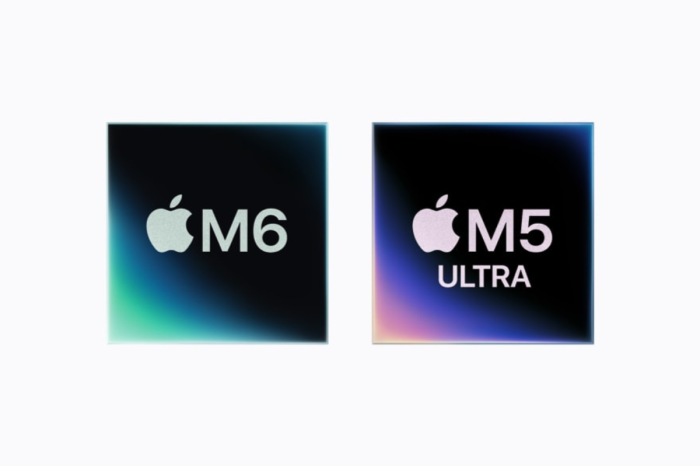
The new Mac mini keeps its small, compact design but now offers a significant jump in performance. The entry model comes with Apple’s new M6 chip, which the company says delivers up to 4x faster AI performance, up to 2x faster graphics and storage, and 40% faster CPU performance compared with the previous generation.
Apple says the M6 Mac mini is designed for everything from everyday productivity and creative work to running local AI models and powering always-on agentic computing tasks. The chip includes a 12-core CPU, 12-core GPU, Neural Accelerators in each GPU core, and a new Dual 16-core Neural Engine.
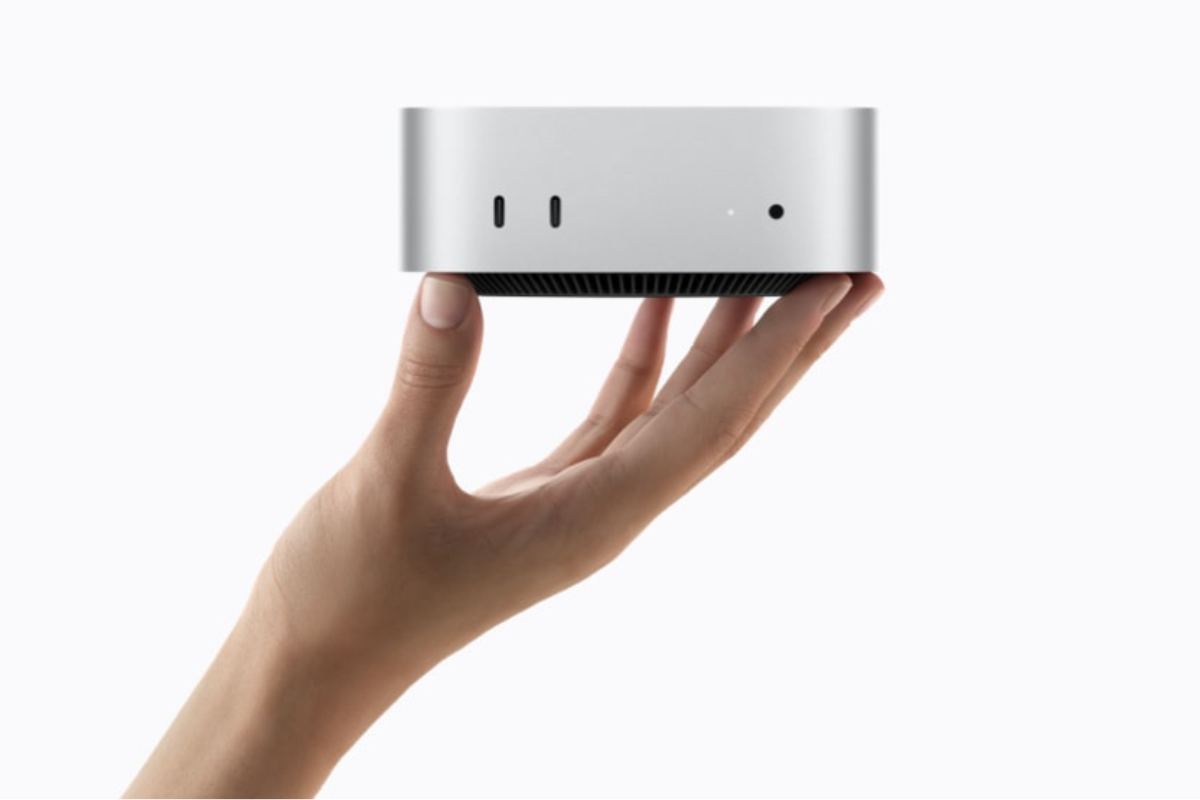
Image: Apple
For users who need more power, Apple is also offering a new Mac mini with M5 Pro. That model includes up to an 18-core CPU, up to a 20-core GPU, up to 64GB of unified memory, and 307GB/s of memory bandwidth, making it better suited for video production, game development, 3D work, and larger local AI workloads.
Apple also upgraded connectivity on the Mac mini. Both models now support Wi-Fi 7, Bluetooth 6, and 2.5Gb Ethernet as standard, with a 10Gb Ethernet option available. The M6 model includes Thunderbolt 4, while the M5 Pro version adds Thunderbolt 5 for faster external storage, displays, and pro accessories.
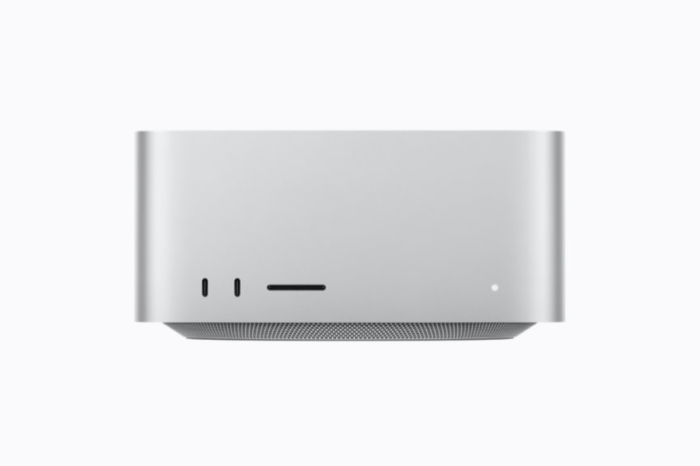
Alongside the Mac mini, Apple introduced a new Mac Studio, calling it the most powerful Mac ever. The updated desktop is available with either M5 Max or M5 Ultra, offering up to 4.3x faster AI performance, up to 1.8x faster graphics, up to 1.3x faster CPU performance, and up to 2x faster storage.
The Mac Studio with M5 Max is aimed at creative professionals, developers, designers, photographers, musicians, and users working with demanding apps. It includes an 18-core CPU, up to a 40-core GPU, Neural Accelerators in each GPU core, and up to 128GB of unified memory.
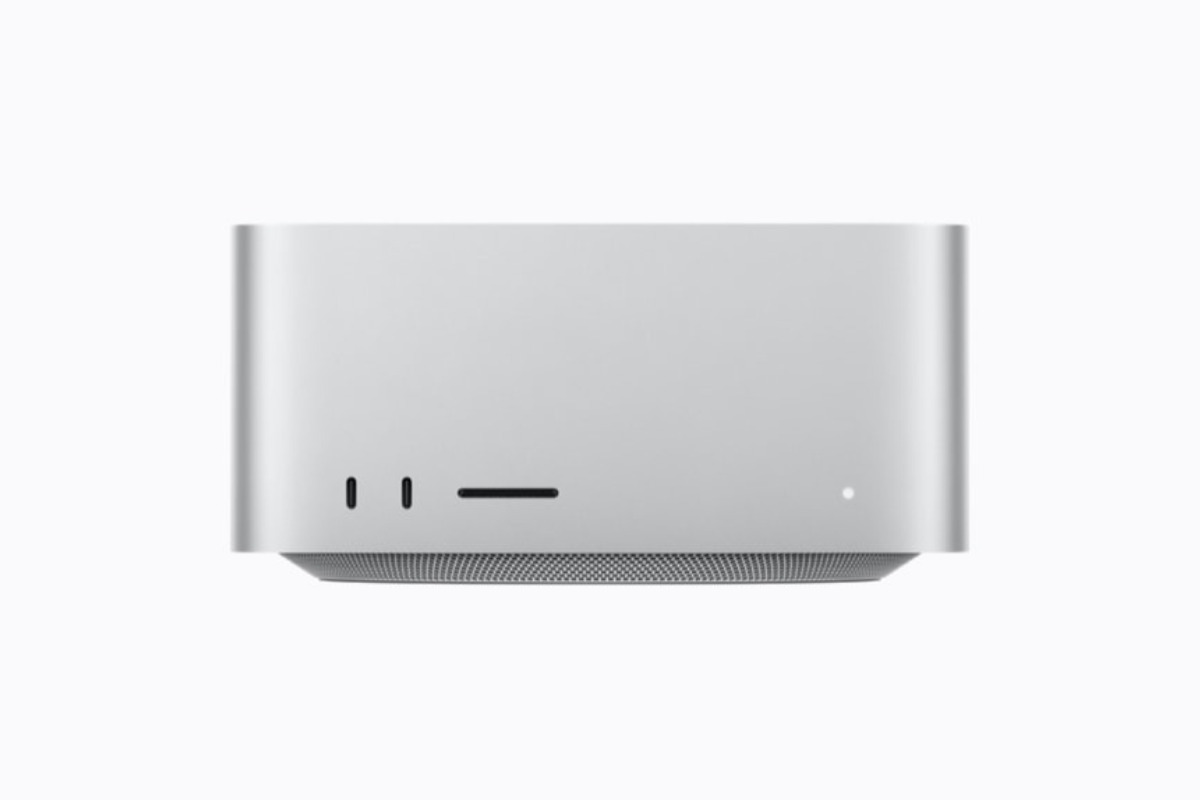
Image: Apple
At the top of the lineup, the Mac Studio with M5 Ultra features up to a 36-core CPU, up to an 80-core GPU, and up to 512GB of unified memory with 1.2TB/s of memory bandwidth. Apple says the machine is capable of running massive AI models entirely on-device, giving developers, researchers, and pro users a powerful alternative to cloud-based AI computing.
Mac Studio also gains Wi-Fi 7, Bluetooth 6, Thunderbolt 5, faster PCIe Gen 6-based storage, support for up to eight displays, and genlock over USB-C for precise synchronization with professional cameras and displays, including iPhone 17 Pro.
Both new Macs are built for macOS 27 Golden Gate, Apple’s upcoming Mac software update. The release includes Siri AI, deeper Apple Intelligence features, AI-powered Shortcuts, Visual Intelligence, Safari improvements, Photos editing upgrades, and refinements to the Liquid Glass interface.
Pricing for the new Mac mini with M6 starts at $899, while the Mac mini with M5 Pro starts at $1,699. Education pricing starts at $799 and $1,599, respectively.
The new Mac Studio with M5 Max starts at $2,499, while the Mac Studio with M5 Ultra starts at $5,499. Education pricing starts at $2,299 for M5 Max and $5,099 for M5 Ultra.
Both the new Mac mini and Mac Studio are available to pre-order today through Apple’s website and the Apple Store app in 30 countries and regions, including the United States. The new machines will begin arriving to customers and launching in Apple Store locations and Apple Authorized Resellers from September 22, with Mac Studio configurations featuring 512GB of unified memory arriving in late October.
Today’s announcements show Apple putting local AI performance at the centre of its Mac strategy, refreshing both its most affordable desktop and its most powerful desktop on the same day as it prepares for the wider rollout of macOS 27 and the next generation of Apple Intelligence.